Does Coffee Really Help You Lose Weight? The Complete Science-Based Guide

The Honest Truth About Coffee and Weight Loss
Every few months, a new coffee weight loss trend takes over social media. A TikTok hack here, a “secret morning ritual” there — and suddenly millions of people are adding butter, lemon, or mysterious powders to their cup hoping to melt fat overnight.
Here’s the reality: coffee does have genuine, scientifically documented effects on metabolism and fat burning. But those effects are specific, limited, and easily cancelled out by what most people put in their cup.
This guide cuts through the noise. No hacks. No miracle claims. Just what the research actually says about coffee, caffeine, and weight loss — and how to use it practically.
How Caffeine Actually Affects Your Metabolism
Caffeine is one of the few substances with solid research behind its metabolic effects. It works through a specific and well-understood mechanism — not magic.
The nervous system connection
When caffeine enters your bloodstream, it blocks adenosine receptors in the brain — the receptors responsible for making you feel tired. As a side effect of this stimulation, your nervous system sends signals to fat cells instructing them to break down stored fat and release it into the bloodstream as free fatty acids.
This process is called lipolysis. Caffeine triggers it consistently and measurably.
The numbers behind the metabolic boost
Research published in the American Journal of Clinical Nutrition found that caffeine can increase resting metabolic rate (RMR) by 3 to 11 percent, depending on dose and individual factors. For a person burning 2,000 calories per day at rest, an 11 percent increase represents roughly 220 additional calories burned — without any additional exercise.
The catch: this effect diminishes significantly with regular consumption. Daily coffee drinkers develop a tolerance to caffeine’s metabolic effects within weeks. People who rarely drink coffee see the strongest response.
Lean vs overweight individuals
The fat-burning response to caffeine varies considerably based on body composition. Research shows caffeine increases fat burning by approximately 29 percent in lean individuals but only around 10 percent in those carrying excess weight. This doesn’t mean coffee doesn’t help — it means expectations need to be calibrated to reality.
Chlorogenic Acid — The Compound Nobody Talks About Enough
Most weight loss coffee conversations focus entirely on caffeine. But coffee contains another compound with meaningful metabolic effects that receives far less attention.
What chlorogenic acid actually does
Chlorogenic acid is a polyphenol — a plant-based antioxidant — found in significant quantities in coffee beans. Its primary relevant effect for weight management is slowing the absorption of carbohydrates in the digestive tract.
When carbohydrate absorption slows, blood sugar rises more gradually after meals. This produces a more moderate insulin response, which matters for fat storage — chronically elevated insulin is directly linked to increased fat accumulation, particularly around the abdomen.
Research published in the Journal of Nutritional Biochemistry found chlorogenic acid also has direct effects on lipid metabolism, influencing how the body processes and stores dietary fat.
The roasting problem
Here’s something most coffee articles skip entirely: roasting destroys chlorogenic acid. Dark roasted coffee — the bold, strong-flavored kind most people prefer — contains significantly less chlorogenic acid than lightly roasted or unroasted green coffee beans.
A standard cup of dark roasted coffee contains roughly 60–100mg of chlorogenic acid. Research suggests meaningful metabolic effects require closer to 510mg daily — meaning you would need to drink five or more cups of dark roast, or shift toward lighter roasts or green coffee supplements, to reach therapeutic levels.
This doesn’t invalidate regular coffee’s benefits — but it does explain why some people see stronger effects from green coffee bean supplements than from their morning espresso.
Does Coffee Suppress Appetite? What the Research Actually Shows
The appetite suppression claim about coffee is one of the most overstated in popular nutrition writing. The research is mixed enough that honest communication requires acknowledging what we don’t know.
What studies have found
Several controlled studies have shown caffeine reduces feelings of hunger in the short term — typically for one to four hours after consumption. The proposed mechanism involves caffeine’s effect on peptide YY, a hormone that signals satiety, and its suppression of ghrelin, the primary hunger hormone.
One study found a statistically significant appetite-reducing effect in men consuming caffeine before meals. The same study found no significant effect in women. A separate study found no significant effect in men either.
The practical reality
The appetite suppression effect of caffeine, when it does occur, is modest and temporary. It is not a reliable tool for significantly reducing daily calorie intake on its own. What coffee can do is make it slightly easier to delay breakfast or extend time between meals — a useful but minor advantage in the broader context of weight management.
Relying on coffee as an appetite suppressant without addressing diet quality and overall eating patterns will produce disappointment.
The Best Coffee for Weight Loss — What to Actually Choose
Not all coffee is created equal when metabolic benefits are the goal. Here is how to think about your choices:
Light Roast Over Dark Roast
Counter-intuitively, lighter roasted coffee contains more chlorogenic acid, more antioxidants, and — contrary to popular belief — slightly more caffeine per gram than dark roasts. The roasting process that creates bold, smoky flavor also degrades the compounds most relevant to metabolism.
If weight loss is a specific goal, a medium or light roast is a better choice than an Italian or French roast. The flavor is different but the metabolic profile is stronger.
Black Coffee as the Baseline
Black coffee contains essentially zero calories. A standard 8oz cup has approximately 2 calories — negligible in any context. This makes it one of the few genuinely calorie-free ways to get a caffeine and chlorogenic acid dose.
Every addition changes the equation. Whole milk adds roughly 18 calories per ounce. A standard flavored syrup adds 20 calories per pump, with two to four pumps being typical in café drinks. A medium latte from a chain café can exceed 250 calories — erasing the metabolic benefit of the caffeine several times over.
Green Coffee — When to Consider It
Green coffee bean extract supplements concentrate chlorogenic acid to levels difficult to achieve through regular brewed coffee. For people specifically targeting the chlorogenic acid mechanism — blood sugar regulation, carbohydrate absorption — green coffee supplements are worth researching.
The caffeine content is lower than regular coffee, making them suitable for people who are caffeine-sensitive but want the antioxidant and metabolic benefits of coffee’s non-caffeine compounds.
What to Actually Add — And What to Avoid
Worth adding:
- Cinnamon is the most well-supported addition. Research shows cinnamon improves insulin sensitivity and helps regulate post-meal blood sugar spikes. A quarter to half teaspoon in your coffee adds negligible calories and measurable metabolic benefit.
- MCT oil (medium-chain triglycerides, derived from coconut oil) is processed differently from other dietary fats — converted to ketones more rapidly and used for energy rather than stored. One tablespoon adds approximately 130 calories but some research suggests it may increase satiety and fat oxidation. Worth considering for people following low-carbohydrate diets; less relevant for others.
- Collagen peptides dissolve cleanly in hot coffee without affecting flavor. They add protein — which has the highest thermic effect of any macronutrient, meaning your body burns more calories digesting it than carbohydrates or fat. One scoop adds roughly 35–40 calories and 9 grams of protein.
Avoid:
Flavored syrups, sweetened creamers, whipped cream, and sugar. These additions don’t just add calories — they spike blood sugar in ways that directly counteract the blood sugar regulation effects of chlorogenic acid. You would be simultaneously taking a compound that slows carbohydrate absorption and then adding fast-digesting sugar to the same cup.
When to Drink Coffee for Maximum Metabolic Effect
Timing matters more than most people realize — and the popular advice of “drink coffee first thing in the morning” is actually not optimal from a metabolic standpoint.
The cortisol problem with early morning coffee
Cortisol — the body’s primary stress and alertness hormone — peaks naturally within 30 to 45 minutes of waking. This natural cortisol peak is one of the body’s most effective alertness mechanisms. Consuming caffeine during peak cortisol output reduces caffeine’s stimulant effect (because cortisol is already doing the work) and accelerates tolerance development.
The research-supported window
Nutritional scientist Andrew Huberman and chronobiology researchers suggest delaying coffee consumption by 90 to 120 minutes after waking. This allows cortisol to peak and begin declining naturally before caffeine takes over the alertness role — producing a more pronounced effect from less caffeine.
For most people waking between 6 and 7am, this means a first cup between 7:30 and 9:00am.
Afternoon coffee and the sleep tradeoff
Caffeine has a half-life of approximately five to six hours in most people. A cup consumed at 3pm still has roughly half its caffeine active at 8pm — directly interfering with sleep quality even when you don’t feel “wired.”
Poor sleep is one of the most significant drivers of metabolic dysfunction, weight gain, increased cortisol, and insulin resistance. Saving your metabolism with afternoon coffee while degrading your sleep is a net negative trade.
Cut caffeine by 1 to 2pm as a general guideline, adjusted based on your own caffeine sensitivity.
What Coffee Cannot Do — Setting Realistic Expectations
This section matters as much as everything above.
Coffee is not a fat loss intervention. It is a minor metabolic support tool with real but modest effects. The research is clear on both the benefits and the limitations.
A meaningful calorie deficit — achieved through dietary adjustment and physical activity — is the only proven mechanism for sustained fat loss. Caffeine can marginally increase the calories burned side of that equation. It cannot substitute for the fundamental requirement of consistent energy balance management.
The people who benefit most from coffee’s metabolic effects are those who:
- Consume it black or with minimal low-calorie additions
- Are not daily coffee drinkers (or cycle off periodically to restore sensitivity)
- Use it as a complement to a structured nutrition approach, not a replacement for one
- Time it appropriately relative to sleep and cortisol rhythms
The people who see no benefit — or negative effects — typically drink heavily modified, high-calorie coffee beverages and expect the caffeine to compensate for dietary patterns that undermine any metabolic advantage.
Potential Side Effects — Who Should Be Cautious
Moderate caffeine consumption — up to 400mg daily, approximately four standard cups of coffee — is considered safe for most healthy adults according to the FDA and most nutritional health bodies.
Beyond that threshold, or for specific populations, caution is warranted:
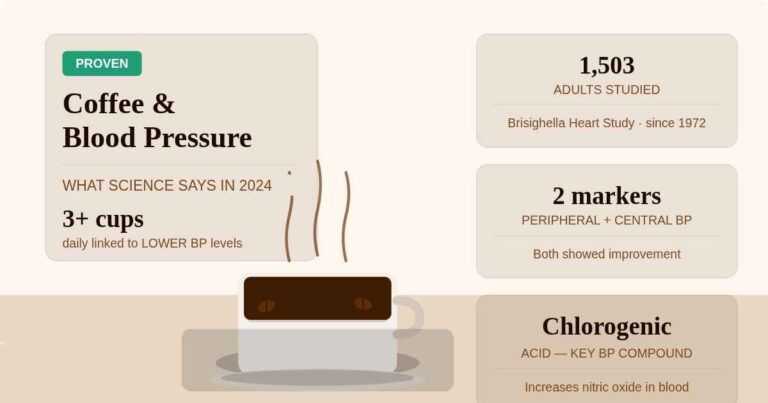
- Anxiety and cardiovascular effects: Caffeine increases heart rate and blood pressure temporarily. People with anxiety disorders, heart arrhythmias, or hypertension should discuss caffeine intake with a healthcare provider before using it as a metabolic tool.
- Digestive sensitivity: Coffee stimulates gastric acid production and bowel motility. On an empty stomach, this can cause discomfort, acid reflux, or loose stools in sensitive individuals. Eating something small before or with coffee typically resolves this.
- Calcium and bone density: High caffeine intake is associated with modest reductions in calcium absorption. People at risk for osteoporosis or with low dietary calcium should be aware of this interaction.
- Pregnancy: Current guidelines recommend limiting caffeine to under 200mg daily during pregnancy. Weight loss is not an appropriate goal during pregnancy regardless.
- Diabetes and blood sugar management: Coffee affects insulin sensitivity and blood sugar regulation. People managing diabetes with medication should monitor their response to coffee carefully and discuss it with their healthcare team.
How to Brew Weight Loss Coffee — Method Matters
Best method: Pour-over or French press with light-medium roast
Pour-over brewing extracts cleanly and preserves delicate compounds including chlorogenic acid. French press produces a full-bodied cup with more oils — which some research suggests may have additional benefits, though filtered coffee is generally considered cleaner for cardiovascular health.
Practical daily protocol:
- Wait 90 minutes after waking before first cup
- Use a light or medium roast ground fresh if possible
- Brew without sugar or flavored additions
- Add a quarter teaspoon of cinnamon if desired
- Stop caffeine intake by 1pm
- Limit to three to four cups daily
What to avoid:
Pre-ground dark roast coffee stored in an open container loses both flavor and beneficial compounds rapidly. Freshly ground beans, stored in an airtight container away from light and heat, retain their full profile significantly longer.
Read More: Best Sports Bar Cafe Bridgeton: Food, Games & Fun
FAQs — Coffee and Weight Loss
Does black coffee burn belly fat specifically?
Coffee does not target fat loss in specific body areas — no food or drink does. Caffeine promotes general fat oxidation across the body. Abdominal fat responds to the same calorie deficit and hormonal factors as fat elsewhere, with insulin management being particularly relevant for visceral fat reduction.
How many cups of coffee per day is optimal for weight loss?
Research suggests two to four cups daily provides metabolic benefits without significant side effects for most people. Beyond four cups, side effects become more likely without proportionally greater metabolic benefit. Quality matters more than quantity — black coffee from quality beans outperforms five cups of sweetened café drinks.
Does coffee with lemon help you lose weight?
The TikTok lemon coffee trend has no research supporting weight loss claims specific to the combination. Lemon adds minimal calories and some vitamin C. The coffee’s metabolic effects come from caffeine and chlorogenic acid — lemon neither enhances nor diminishes these. It’s harmless but not a weight loss mechanism.
Is green coffee better than regular coffee for weight loss?
Green coffee contains significantly more chlorogenic acid than roasted coffee, which may make it more effective for blood sugar regulation and carbohydrate absorption. For caffeine-sensitive individuals or those specifically targeting the chlorogenic acid mechanism, green coffee supplements are worth considering. For general metabolic support, quality roasted coffee is effective and far more enjoyable.
Can I drink coffee on an empty stomach for better fat burning?
Caffeine does promote fat oxidation regardless of fed state. However, coffee on an empty stomach causes digestive discomfort in many people and aligns with peak cortisol in the early morning, reducing its stimulant effectiveness. A small protein-containing snack before coffee often produces better overall results.
Does adding milk cancel out coffee’s weight loss benefits?
A small amount of whole milk — one to two tablespoons — adds minimal calories and does not meaningfully disrupt coffee’s metabolic effects. Significant additions of milk, plant-based milks with added sugar, or sweetened creamers do begin to counteract the benefit by adding calories and blood sugar impact.
Conclusion — Coffee as a Tool, Not a Solution
Coffee genuinely supports metabolism. Caffeine increases fat oxidation and resting metabolic rate. Chlorogenic acid helps regulate blood sugar and carbohydrate absorption. These are real, documented effects — not marketing claims.
But real effects and dramatic effects are not the same thing.
The practical value of coffee for weight management is as a supporting element in a broader strategy — not a strategy in itself. Drink it black or close to it. Time it intelligently. Choose lighter roasts. Stop before afternoon. Then focus the majority of your attention on the factors that actually drive sustained fat loss: consistent nutrition, adequate sleep, and regular movement.
Coffee makes that process slightly easier and marginally more effective. That’s a genuine contribution — just an honest one.
Level up your coffee ritual — visit our Fitzroy spot for award-winning specialty brews.