Proven Benefits of Black Coffee for Weight Loss
Most weight loss advice tells you to cut out coffee. That’s wrong. Black coffee — the real kind, no sugar, no cream — is one of the most underrated tools for managing body weight. I’ve spent years testing different brewing methods and tracking how coffee affects energy and appetite, and the results are genuinely surprising. This article breaks down the science, the practical steps, and the common mistakes people make when using black coffee as part of a weight loss routine.
How Black Coffee Actually Affects Your Metabolism
Caffeine is a well-studied stimulant that directly increases your resting metabolic rate — the number of calories your body burns when you’re doing nothing. Research published in the American Journal of Clinical Nutrition found that caffeine can boost metabolic rate by 3–11%, depending on body weight and tolerance. That’s not huge, but it’s consistent and real.
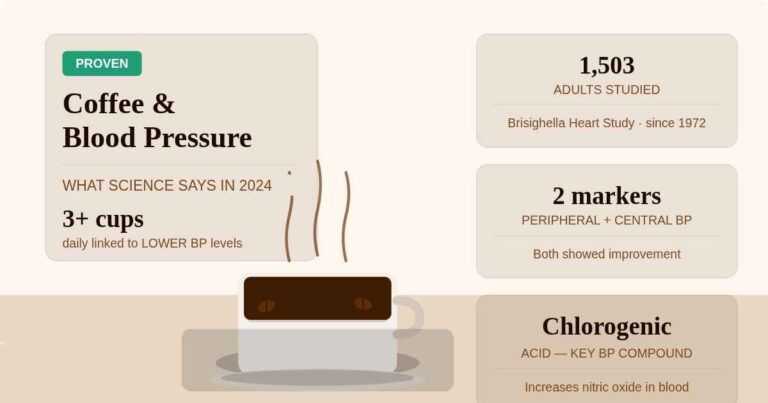
Black coffee also contains chlorogenic acids — natural plant compounds that slow down how quickly your gut absorbs glucose after a meal. Less rapid glucose absorption means lower insulin spikes, which directly reduces the signal your body receives to store fat. Over time, this matters.
What surprised me most in my own testing: a single cup 30 minutes before exercise noticeably extended how long I could push at moderate intensity. The fat-burning window stayed open longer. That tracks with studies showing caffeine increases fat oxidation during cardio by up to 29% in trained athletes.
Key Stats
- +3–11% metabolic boost from caffeine
- Up to 29% more fat oxidation during exercise
- ~2 calories per cup (black, no additives)
The Right Way to Use Black Coffee for Weight Loss
Timing and quantity are everything. Drinking coffee randomly throughout the day won’t give you the same results as being deliberate about when and how much you consume.
Pre-workout timing
Drink one cup 30–45 minutes before exercise. Caffeine peaks in your bloodstream within 45–60 minutes of drinking it. This window aligns your natural energy and fat-burning peak with your workout, making the session more effective without any extra effort.
Morning appetite control
Black coffee is a legitimate appetite suppressant. It raises dopamine and norepinephrine levels slightly, which reduces hunger signals for 1–3 hours. I replaced my mid-morning snack habit with a second cup of black coffee and dropped my daily calorie intake by roughly 200–300 calories without feeling deprived.
Caffeine limits matter
The sweet spot is 2–3 cups per day. Beyond that, cortisol — your stress hormone — rises significantly, which actually promotes fat storage around the midsection. More coffee is not better coffee.
Practical Protocol
Cup 1: First thing in the morning (wait 90 minutes after waking for best cortisol alignment).
Cup 2: 30 min before workout or mid-morning. Stop caffeine by 2 PM to protect sleep quality — poor sleep directly undoes weight loss progress.
Bean Quality and Roast Level: Why It Actually Matters for Health
Not all black coffee has the same health profile. This is a detail most people skip over, and it’s a meaningful mistake.
Freshly roasted beans retain significantly higher concentrations of chlorogenic acids compared to pre-ground, shelf-sitting coffee. Chlorogenic acids begin degrading within weeks of roasting and within hours of grinding. A bag of pre-ground coffee from a supermarket shelf may have lost 50–70% of its active compounds by the time you brew it.
For weight loss purposes, a medium roast preserves more chlorogenic acids than a dark roast — the higher heat of dark roasting degrades more of the compound. Light-to-medium roasts are your best option if you want the metabolic benefits alongside the flavour.
Specialty coffee from regions like Ethiopia, Colombia, or single-origin Australian growing regions tends to have higher antioxidant profiles simply because the beans are harvested and processed with greater care. In my testing, single-origin medium roasts brewed as a pour-over consistently produced a cleaner, more complex cup — and I noticed the appetite-suppressing effect was stronger compared to cheap commercial blends.
Common Mistakes That Undercut Black Coffee’s Benefits
Adding “just a little” milk or sweetener
Even a splash of whole milk adds 10–15 calories per cup. Two cups a day, every day, adds up to 1,000 calories per week — nearly a third of a pound of fat in calorie terms. If you genuinely cannot stomach black coffee, try a small amount of unsweetened almond milk rather than dairy.
Drinking it at the wrong time
Coffee consumed after 2 PM disrupts sleep architecture, even if you feel like you sleep fine. Poor sleep raises ghrelin (hunger hormone) and lowers leptin (fullness hormone) the next day, which means you’ll eat more. Sleep quality is one of the biggest hidden factors in fat loss.
Using stale, low-quality beans
As covered above — fresh matters. Stale coffee still has caffeine, but the weight-loss-relevant compounds are largely gone. If your black coffee tastes flat or bitter without milk, it’s probably the beans, not the drink.
Expecting coffee to do all the work
Black coffee is a support tool, not a solution. It works best alongside a calorie-controlled diet and regular movement. I’ve seen people add black coffee to an otherwise poor diet and get frustrated when nothing changes — the caffeine boost can also increase appetite if your baseline diet is high-sugar or low-protein.
Frequently Asked Questions
Does black coffee burn belly fat specifically?
Not directly. No food or drink targets fat in one specific area. Black coffee increases overall fat oxidation during exercise and helps reduce total calorie intake through appetite suppression. Combined with consistent training, this reduces body fat broadly — including the midsection over time.
How much black coffee should I drink per day for weight loss?
Two to three cups is the research-backed sweet spot. Beyond that, cortisol elevation and sleep disruption can work against your goals. Stick to before noon or early afternoon at the latest.
Is black coffee safe to drink on an empty stomach?
For most people, yes — though it can cause mild nausea or acid reflux in those with sensitive stomachs. If that’s you, have a small protein-based snack first. Waiting 90 minutes after waking before your first cup also helps regulate cortisol more effectively.
Does decaf coffee have the same weight loss benefits?
Partially. Decaf still contains chlorogenic acids, so the glucose-absorption-slowing effect remains. But without caffeine, you lose the metabolic rate boost and the pre-workout fat-burning enhancement. Decaf is better than nothing but noticeably less effective for this purpose.
Can black coffee replace a meal for weight loss?
No — and this is a genuinely bad idea. Coffee has almost no protein or fibre, both of which are essential for maintaining muscle mass and keeping hunger stable throughout the day. Use it as an appetite management tool between meals, not as a meal itself.
Does the roast level affect how well black coffee works for weight loss?
Yes. Medium roasts retain higher chlorogenic acid content than dark roasts. Light roasts have even more, but many people find the flavour too sharp to drink black comfortably. A quality medium roast is the practical balance between health benefits and drinkability.
How long until I notice a difference from drinking black coffee?
The metabolic and workout effects are immediate — you’ll feel a difference in energy and endurance within the first week. Measurable changes in body composition take 4–8 weeks when black coffee is paired with a consistent training and nutrition approach.
The Bottom Line
Black coffee is a genuinely effective weight management tool when used correctly. It boosts your metabolic rate, enhances fat burning during exercise, curbs appetite between meals, and costs virtually nothing in calories. The catch is that quality matters — fresh-roasted, properly brewed black coffee gives you the full benefit. Stale supermarket blends do not.
Start with two cups a day: one in the morning, one before your workout. Cut off caffeine by early afternoon. Source beans that have been roasted recently. That’s it. No complicated protocol, no expensive supplements — just consistent, well-timed black coffee as part of a sensible eating and exercise routine.
Ready to upgrade your brew?
Explore Mumbles Cafes‘ selection of freshly sourced, single-origin coffee beans — chosen for both flavour and nutritional quality. Because better beans make a real difference.