Can You Drink Coffee on Empty Stomach: Honest Answer
“Should I drink coffee on an empty stomach?” is one of the most-asked questions in Reddit’s coffee and health communities. Everyone has an opinion, but the actual science and practical experience combined tell a nuanced story. Whether drinking coffee on an empty stomach is fine for you depends on your individual digestive system, the type of coffee you drink, and what you consider “fine” — energy boost vs digestive comfort vs long-term health.
I’ve talked to hundreds of customers about their empty-stomach coffee habits at our Fitzroy counter and researched the actual research. This guide walks through the real effects of empty-stomach coffee, who should and shouldn’t do it, and how to modify the habit if it’s causing you problems. Practical answers without the health-panic overhead common online.
Can you actually drink coffee on an empty stomach without problems?
Most healthy adults can drink coffee on an empty stomach without significant problems. The main effects — increased cortisol response, some digestive stimulation, faster caffeine absorption — are neutral to positive for most people. Problems arise specifically for people with existing digestive conditions (acid reflux, IBS, ulcers), significant caffeine sensitivity, or blood sugar management issues. If you regularly drink coffee on empty stomach without discomfort, you likely don’t need to change your habit. If you experience specific problems, targeted modifications usually solve them without requiring you to add food.
The Reddit consensus on this question is often more alarmist than the actual evidence supports. Empty-stomach coffee is a personal choice with individual variation, not a universal health hazard.
What actually happens when you drink coffee on an empty stomach
Understanding the physiological effects helps you assess your own situation.
Faster caffeine absorption. Without food to slow gastric emptying, caffeine reaches your bloodstream faster. Peak blood caffeine levels arrive 30–45 minutes after empty-stomach coffee vs 45–75 minutes with food. The energy effect is quicker but similar in magnitude.
Higher cortisol response. Coffee stimulates cortisol release. On an empty stomach, this cortisol spike is somewhat larger than after eating. Cortisol is neither good nor bad — it helps you wake up and feel alert. Chronically elevated cortisol from any cause is problematic, but a single morning cortisol spike from empty-stomach coffee isn’t harmful for most people.
Increased stomach acid production. Coffee is mildly acidic and stimulates additional stomach acid production. On an empty stomach, this acid doesn’t have food to digest, so it sits in the stomach. For most people this is completely fine — the stomach handles acid. For people with reflux or ulcers, this can cause discomfort.
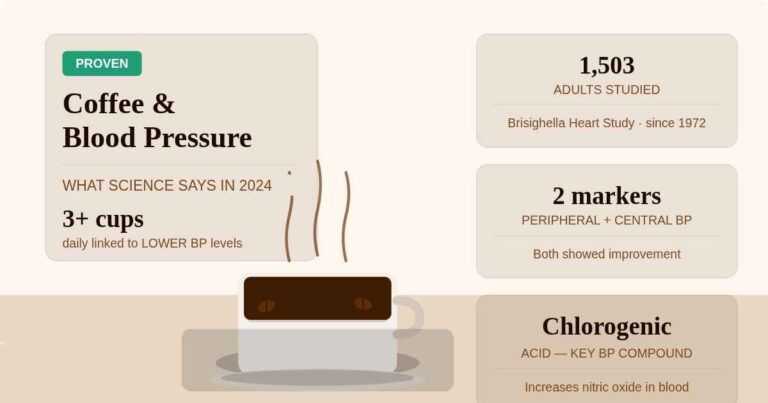
Direct impact on stomach lining. Some coffee compounds (chlorogenic acids especially) can irritate sensitive stomach linings. Most people don’t notice this. People with pre-existing sensitivity may experience discomfort.
Blood sugar impact. Coffee can affect blood sugar regulation, but the effect is modest and controversial. Some studies show mild insulin resistance from coffee; others show no effect. Empty-stomach coffee doesn’t cause blood sugar crashes in healthy people.
Who typically has no problems with empty-stomach coffee
Most healthy adults, especially those without existing digestive conditions, tolerate empty-stomach coffee well. Signs you’re likely fine:
- You do it regularly without discomfort. Your body has adapted to the pattern.
- You have no digestive conditions. No reflux, no IBS, no ulcers, no chronic gastritis.
- You don’t experience anxiety spikes from coffee. Caffeine tolerance and cortisol response are handled well.
- You eat regular meals throughout the day. Coffee isn’t your only source of morning nutrition.
If these describe you, empty-stomach coffee is likely a non-issue.
Who should actually avoid drinking coffee on an empty stomach?
Specific conditions and sensitivities make empty-stomach coffee problematic.
People with acid reflux or GERD
Acid reflux occurs when stomach acid backs up into the esophagus. Coffee both stimulates acid production and relaxes the lower esophageal sphincter (the muscle that keeps acid in the stomach). On an empty stomach, this combination is especially problematic — no food to buffer the acid, no food to slow gastric emptying.
If you have GERD or frequent heartburn, empty-stomach coffee often triggers or worsens symptoms. Solutions: eat something before coffee, choose lower-acid coffee (dark roast, cold brew), take antacid before or reduce coffee overall.
People with IBS (Irritable Bowel Syndrome)
Coffee stimulates the colon regardless of stomach content. For people with IBS, this can trigger urgent bathroom trips, cramping, or diarrhea. Empty-stomach coffee tends to hit the colon faster than with-food coffee, making the reaction more sudden.
If you have IBS and empty-stomach coffee causes issues, either eat first or reduce total coffee consumption.
People with peptic ulcers or gastritis
Coffee’s acidity and stimulation of acid production irritate ulcers and inflamed stomach linings. Empty-stomach coffee bathes the damaged tissue in acid without protective food buffer. This can worsen symptoms and slow healing.
If you have active ulcers or gastritis, avoid empty-stomach coffee entirely until healed. Discuss ongoing coffee consumption with your doctor.
People with significant caffeine sensitivity
Some people are genuinely caffeine-sensitive. Empty-stomach coffee delivers caffeine faster and often more intensely. If your caffeine response includes anxiety, jitters, heart palpitations, or panic-like symptoms, empty-stomach coffee amplifies these.
If you’re caffeine-sensitive, reduce coffee overall and always drink with food. Consider decaf or half-caf options.
People with certain diabetes management challenges
Some diabetics find coffee affects their blood sugar management in complicated ways. Empty-stomach coffee may cause insulin sensitivity changes that make blood sugar harder to predict. This is individual — some diabetics tolerate coffee fine, others need to time it carefully.
If diabetes management is difficult, work with your healthcare team to understand how coffee timing affects your blood sugar.
Pregnant people
Empty-stomach coffee during pregnancy is often worse for morning sickness. The stomach acid and caffeine can exacerbate nausea. Additionally, pregnancy generally recommends reduced total caffeine intake (below 200mg daily).
Pregnant people typically benefit from small amounts of food before coffee, or reducing coffee overall during pregnancy.
What are the actual benefits of drinking coffee on an empty stomach?
Some claimed benefits are real; others are marketing.
Legitimate potential benefits
Faster caffeine effect. For people needing quick alertness (early morning, before workouts, before mental focus), the faster caffeine absorption from empty stomach helps.
Intermittent fasting compatibility. Coffee (without sugar or milk) doesn’t break fasting states significantly. For people practicing intermittent fasting, empty-stomach coffee fits the eating pattern.
Lower blood sugar impact from meals. Some limited research suggests coffee before eating may slightly moderate post-meal blood sugar spikes. Effect is modest but real.
Metabolism boost. Caffeine increases metabolic rate. On empty stomach, some evidence suggests slightly enhanced fat oxidation (using fat for energy). Effect exists but is small.
Claimed benefits that don’t hold up
“Empty stomach absorbs coffee’s antioxidants better.” No evidence. Absorption is similar with or without food.
“Empty stomach coffee is a detox.” No credible evidence. Coffee isn’t a detox agent.
“Empty stomach coffee stimulates deeper cleansing.” Not supported by any research.
“Empty stomach coffee cures/prevents specific diseases.” No specific disease claims are supported.
Most alleged benefits of empty-stomach coffee are marginal or invented. The real benefits are modest — some faster effects and compatibility with certain diets.
How can you drink coffee on an empty stomach comfortably?
Modifications that make empty-stomach coffee easier for most people.
Modifications that help
Choose lower-acid coffee. Dark roasts, cold brews, and Indian/Sumatran coffees are lower acidity than bright light-roast African coffees. Lower acid = less stomach irritation.
Add a small amount of milk. Milk buffers stomach acid. Even a splash of milk in your coffee makes it gentler on the stomach.
Drink water first. A glass of water before coffee dilutes stomach acid and hydrates you. Reduces coffee’s harshness.
Time it correctly. Don’t chug coffee immediately upon waking. Wait 30–45 minutes after getting up — cortisol is naturally high in early morning, additional caffeine spike may cause anxiety.
Choose lower-caffeine options. Half-caff or decaf reduces the physiological impact of empty-stomach coffee.
Have something small first. Even a piece of fruit, a spoonful of yogurt, or a small handful of nuts prevents empty-stomach coffee issues without breaking most fasting protocols.
When you should modify your habit
If you experience frequent heartburn: Eat before coffee or reduce coffee.
If you feel anxious after morning coffee: Delay first coffee 30 minutes, reduce caffeine, add food.
If you crash 2 hours after empty-stomach coffee: Add food to slow release and prevent crash.
If you have racing thoughts or heart palpitations: Reduce caffeine, always drink with food, consider decaf.
If you feel nauseated: Have a small snack first, drink water before coffee.
Common misconceptions about empty-stomach coffee
Some persistent Reddit and health-blog beliefs about empty-stomach coffee are wrong.
“Empty-stomach coffee causes chronic health problems”
Not for most people. Chronic conditions from coffee consumption (whether empty stomach or not) are rare in healthy adults. Coffee is generally healthy or neutral for cardiovascular disease, longevity, and mental function.
“You should never drink coffee before food”
For most people, false. Personal preference and individual tolerance matter more than universal rules.
“Empty-stomach coffee will destroy your stomach lining”
Not for healthy stomachs. Healthy stomach lining handles coffee acid easily. Only pre-existing damage (ulcers, gastritis) is affected significantly.
“Cortisol from empty-stomach coffee is toxic”
Not accurate. Cortisol has normal daily fluctuations. Morning cortisol from coffee is a small spike within normal variation. Chronic elevated cortisol is problematic, but morning coffee cortisol spike alone doesn’t cause chronic elevation.
“Empty-stomach coffee causes weight gain”
The opposite is more supported by evidence. Empty-stomach coffee may modestly help weight management through appetite suppression and metabolism increase. It doesn’t cause weight gain in healthy people.
“Coffee on empty stomach makes you tired later”
Coffee can cause afternoon crashes regardless of whether stomach was empty when drinking it. The crash relates to caffeine cycles, not stomach content. If you experience crashes, reduce total caffeine or add caffeine later in day rather than blaming empty-stomach timing.
FAQs
How much time should I wait before drinking coffee in the morning?
Depends on your personal tolerance. If empty-stomach coffee works for you, drink it whenever you’re ready. If it causes discomfort, wait 30–60 minutes after waking (allowing morning cortisol to normalize), or wait until you’ve had breakfast.
Does adding milk to empty-stomach coffee make it healthier?
Slightly more tolerable for people with sensitive stomachs. Milk buffers acid and slows caffeine absorption. Doesn’t make coffee “healthier” in a broader sense, but reduces empty-stomach coffee’s specific irritation.
Can I drink coffee if I’m intermittent fasting?
Yes. Coffee (without milk or sugar) doesn’t break most fasting states significantly. Coffee is standard practice for many intermittent fasting practitioners. Adding milk or sugar breaks the fast.
Is decaf on empty stomach the same as regular coffee?
Similar effects on stomach acidity (decaf still has acid), less effect on caffeine-related symptoms. If empty-stomach coffee causes anxiety, decaf helps. If it causes acid reflux, decaf may not help.
Does empty-stomach coffee cause colon problems?
Coffee stimulates the colon regardless of stomach content. If empty-stomach coffee causes issues, food may slow the effect. But coffee itself doesn’t damage the colon in healthy people.
Should older adults avoid empty-stomach coffee?
Not necessarily. Older adults with existing digestive conditions (which become more common with age) may need to modify. Otherwise, older adults tolerate empty-stomach coffee similarly to younger adults.
Is empty-stomach coffee before workouts good or bad?
Generally good for many people. Faster caffeine absorption helps pre-workout energy. Cortisol spike helps mobilize energy stores. However, some people experience nausea from pre-workout empty-stomach coffee — modify if needed.
The bottom line
Empty-stomach coffee is fine for most healthy adults. Modifications help for people with specific conditions (reflux, IBS, ulcers, sensitivity). The Reddit narrative that empty-stomach coffee is universally harmful is exaggerated.
If empty-stomach coffee works for you without causing discomfort, continue the habit. If you experience specific problems, targeted modifications (food before, lower acidity, less caffeine) usually solve them without requiring you to entirely change your routine.
Come test your empty-stomach tolerance at mumblescafes.com Fitzroy — our low-acid Ethiopian Yirgacheffe is one of the gentler options for morning coffee, and our house oat milk buffer helps sensitive stomachs. Try it Monday morning at 6:30am when we open and see how it treats you. That’s often the best way to understand your own body’s response.
Looking for a gentle nudge? Find it in our handpicked pieces built for thoughtful souls.